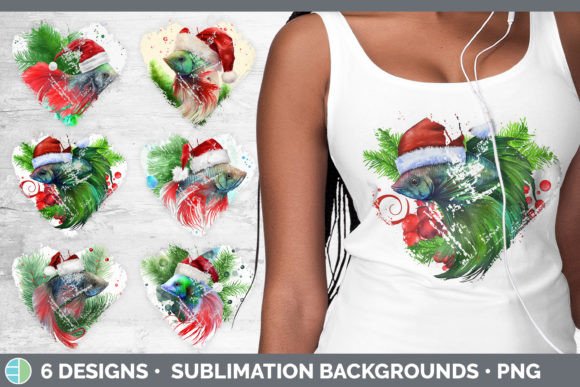
Santa Beta Fish Christmas Heart: A Designer's Review
When I first pulled up the Santa Beta Fish Christmas Heart Distress file on my screen, I didn't just see a holiday motif; I saw a specific kind of character that is hard to find in standard stock libraries. As someone who spends hours digitizing and reviewing machine embroidery design assets for real-world application, my immediate reaction was one of cautious optimism. This isn't your typical polished, vector-perfect Santa Claus. It belongs to the Illustrations category, which usually implies a more artistic, hand-drawn, or textured approach rather than rigid geometric shapes. The "distress" element in the title suggests a vintage, worn-in aesthetic that can either make a finished product look incredibly professional and boutique-style or, if handled poorly, look like a stitching error.
The Visual Personality and First Impressions
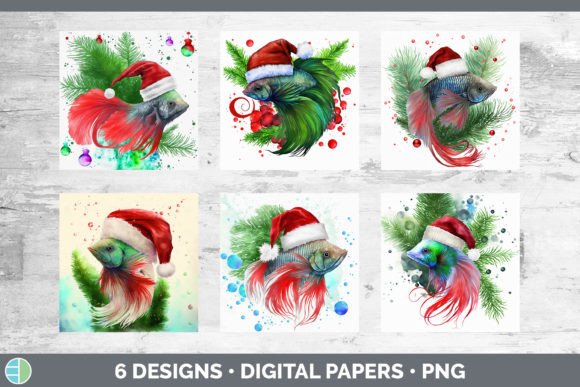
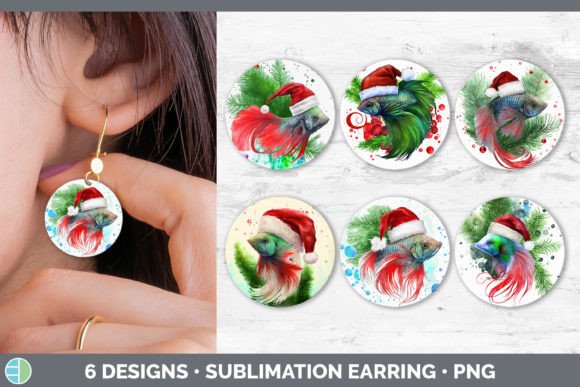
The mood this design creates is whimsical yet nostalgic. Combining a beta fish—a creature known for its vibrant colors and flowing fins—with the iconic imagery of Santa Claus and a heart shape is a bold creative choice. It feels less like a generic department store decoration and more like something you'd find in a high-end children's boutique or a quirky coastal gift shop. The layout appears to merge the organic curves of the fish with the symbolic shape of a heart, likely using the fish's body to form the contours of the heart itself, topped with Santa elements.
For an Etsy seller or a craft business owner, visual personality is everything. Customers are tired of seeing the same ten snowflake designs every December. This embroidery project offers a unique selling point. However, the "distressed" style requires a keen eye during the stitching phase. In a digital printable mockup, texture looks great. On fabric, those distressed areas often translate to varied stitch density, intentional gaps, or a mix of running stitch and fill stitch that mimics wear. If the digitizer didn't balance this well, it could result in loose threads or fabric puckering.
Real-World Application: The Holiday Tote Scenario
To truly evaluate the Santa Beta Fish Christmas Heart Distress, I imagined a specific real-life scenario: producing a limited run of custom canvas tote bag design items for a local beach town's holiday market. Canvas is a sturdy, textured fabric that can handle some weight, but it also has a weave that can interfere with fine details.
In this context, the design shines as a statement piece. Placed centrally on a natural or deep navy tote, the beta fish's vibrant potential (even in thread form) would pop against the neutral background. The heart theme makes it an instant personalized gift candidate. Imagine a customer buying this for a teacher who loves aquariums, or a grandparent living by the coast. The uniqueness drives the perceived value. Unlike a standard sweatshirt embroidery logo that might get lost in a crowd, this illustration demands attention. It tells a story, which is crucial for small shop product branding.
However, the execution would depend heavily on the thread colors selected. A beta fish is naturally iridescent. To capture that "distress" look without losing the identity of the fish, one might need to use variegated threads or carefully planned color blends. If the design relies too much on tiny satin columns to create the distress effect, they might sink into the canvas weave. For this application, I would recommend a heavier cut-away stabilizer to ensure the fabric texture doesn't distort the intricate lines of the fish fins.
Performance on Different Materials and Hoops
Moving beyond tote bags, let's consider how this digital embroidery file performs on other common substrates. For baby embroidery, such as a onesie or a nursery pillow cover, the softness of the stitch is paramount. If the "distress" aspect involves dense, rough stitching or jump stitches that aren't properly trimmed, it could be irritating to sensitive skin. Parents looking for holiday embroidery for infants prioritize comfort over artistic grit. Therefore, inspecting the back of the stitch-out is non-negotiable here.
On the other hand, for an embroidered patch intended for a jacket or backpack, this design is ideal. Patches allow for higher stitch density and more experimental textures because they are constructed on a separate backing before being applied. The distressed look adds a rugged, vintage charm that fits perfectly with denim or corduroy jackets. Similarly, for custom apparel like a heavy cotton sweatshirt, the design would hold up well, provided the hoop size is sufficient. One must check the dimensions of the file; if the heart shape is wide due to the fish's fins, it might not fit in a standard 4x4 hoop, requiring a 5x7 or larger frame.
Caution is advised when applying this to stretchy fabrics like performance tees or curved surfaces like caps. The distortion inherent in a distressed design can become exaggerated on a curved cap front, making the fish look warped. Furthermore, tiny details in the scales or the Santa hat trim might vanish if the fabric stretches during wear and washing.
Designer Notes for Commercial Success
Before committing to a production run or listing this as a design asset in your shop, there are practical steps every professional should take. First, always test the design on scrap fabric that matches your final product. Do not skip this step. Watch how the machine handles the transition between the solid heart areas and the distressed edges. Are there excessive trims? Does the needle break frequently in dense areas?
Second, review the license terms explicitly. Just because a file is available for purchase doesn't automatically grant rights for unlimited commercial embroidery sales. Some designers restrict the number of physical items you can sell, while others offer a buyout. Confirm this before investing time in marketing.
Third, consider the contrast. Test the design in black and white mockups first. If the "distress" relies solely on color variation rather than stitch structure, the design might lose its definition when viewed from a distance or by someone with color vision deficiencies. A strong silhouette is essential for brand recognition.
Finally, think about the finishing. Distressed designs sometimes leave loose thread tails that are part of the aesthetic, but for a retail handmade product, cleanliness is key. Ensure that any intentional "messiness" looks deliberate and high-quality, not sloppy. Proper topping can help if stitching on towels or fuzzy fleece, ensuring the details of the beta fish remain crisp.
Final Verdict on Value and Appeal
The Santa Beta Fish Christmas Heart Distress is a standout piece for those willing to put in the preparation work. It elevates a simple holiday item into a conversation starter. For apparel decorators and creative entrepreneurs, it represents an opportunity to tap into niche markets—aquarium lovers, coastal residents, and those seeking non-traditional holiday decor. Its success lies in the balance between the artistic "distress" and the technical precision required to stitch it cleanly. When executed with the right stabilizer, thread, and fabric combination, this design builds customer trust through its uniqueness and professionalism, proving that even a whimsical fish in a Santa hat can be a serious contender in the holiday marketplace.