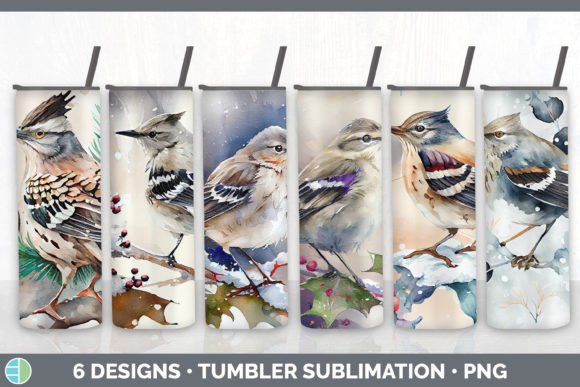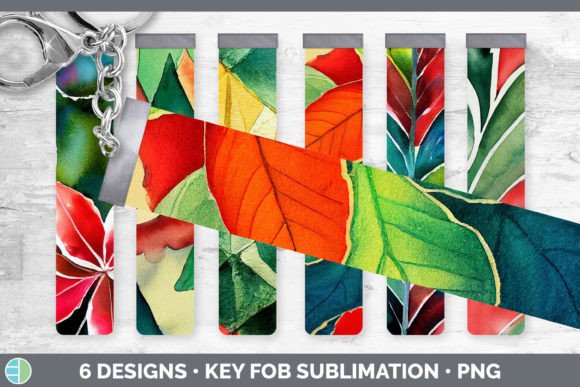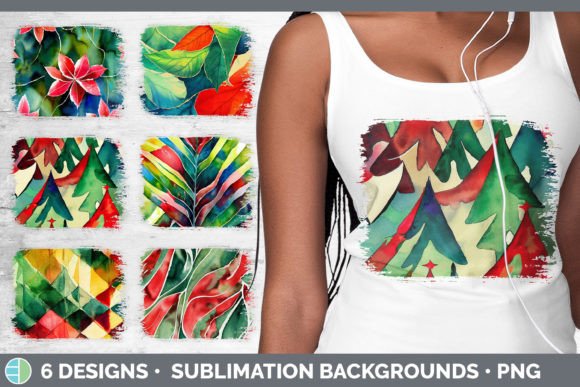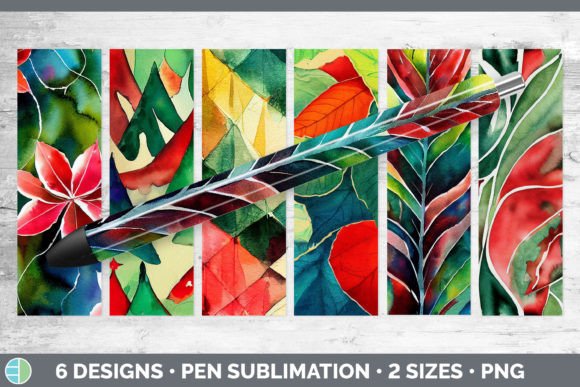
Review: Set of Christmas Illustrations with Mark for Holiday Stitching
As we approach the busiest season for custom apparel and handmade gifts, finding the right machine embroidery design can make or break a product line. I recently spent time evaluating the Set of Christmas Illustrations with Mark to see how it holds up under the needle for real-world projects. This isn't just about whether the digital file looks cute on a screen; it is about how those lines translate into thread on fabric, how they withstand washing, and whether they elevate the perceived value of a handmade product.
First Impressions and Visual Personality
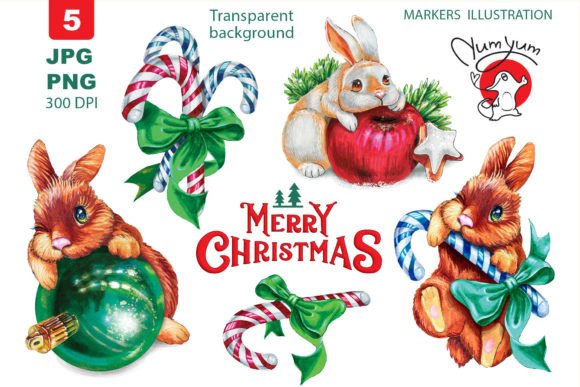
Opening the folder for the Set of Christmas Illustrations with Mark, the first thing that strikes me is the cohesive mood. These aren't generic clip-art styles; they possess a distinct illustrative quality that suggests warmth and nostalgia. For an Etsy seller or boutique owner, this visual personality is crucial. It moves away from the mass-produced look and toward something that feels curated and special.
The layout of the designs within the set appears balanced, offering a mix of standalone motifs and elements that could work well in clusters. The line work suggests a thoughtful combination of satin stitch for bold outlines and fill stitch for texture, which is essential for creating depth without making the design too heavy. When you are selling a finished product, customers pay for that dimensionality. A flat, one-dimensional stitch pattern often looks cheap, but these illustrations seem to have the complexity required to justify a higher price point.
Real-World Application: The Holiday Tote Scenario
To truly test the viability of this set, I imagined a specific project: a limited-run holiday tote bag for a local coffee shop. This is a common request for craft business owners during Q4. The goal was to create something festive but sophisticated enough for daily use, not just a novelty item.
Using one of the larger illustrations from the Set of Christmas Illustrations with Mark, the design would sit perfectly on a canvas tote. The illustrative style allows for a slightly larger hoop size, giving the artwork room to breathe. On a sturdy cotton canvas, the stitch density appears manageable. If the density is too high, the fabric puckers; if it's too low, the backing shows through. Based on the visual complexity, these designs seem optimized for medium-weight fabrics where the threads can lay flat and smooth.
For a sweatshirt embroidery project, perhaps a family matching set, the smaller icons from the collection would work beautifully on the cuff or chest pocket. The charm of this set lies in its versatility. It doesn't scream "commercial uniform"; instead, it whispers "thoughtful gift." This distinction is vital for custom apparel decorators who want to build a brand known for quality rather than quantity.
Navigating Fabric Challenges and Technical Details
While the aesthetic appeal is strong, practical application requires caution. Not every fabric plays nice with every embroidery file. If you plan to use the Set of Christmas Illustrations with Mark on stretchy knits or thin silks, you must be vigilant. Detailed corners and fine lines, which give these illustrations their character, can get lost or distort on textured fabrics like thick wool or looped towels.
For items like baby embroidery on onesies, the softness of the stitch is paramount. You would need to ensure that the underside of the design is clean, possibly using a soft cut-away stabilizer to prevent irritation against sensitive skin. Similarly, for curved surfaces like caps, the center of the design must be aligned perfectly to avoid warping. The illustrative nature of this set means there are likely directional elements that must remain upright, requiring precise hooping.
Dark fabrics present another consideration. If the design relies on light thread colors against a navy or black background, you may need to adjust the underlay settings or use a topping to prevent the fabric color from peeking through the stitches. Always test your digital embroidery file on a scrap piece of the actual material you intend to use. What looks crisp on a white poly-cotton blend might behave differently on a heathered grey fleece.
Commercial Value and Brand Consistency
For small shop product creators, consistency is key to building trust. The Set of Christmas Illustrations with Mark offers a unified theme that can span across different products—aprons, pillow covers, tea towels, and patches—without looking disjointed. This allows a maker to create a cohesive holiday collection, which is far more marketable than random, unrelated designs.
When a customer sees a high-quality embroidered patch or a well-stitched tote bag design, it reinforces the professionalism of the brand. These illustrations have the potential to become signature assets for a seasonal launch. However, before listing items for sale, you must verify the licensing terms. Some design assets are for personal use only, while others allow for commercial application on physical goods. Never assume; always check the documentation provided with the download to ensure you are compliant when selling holiday embroidery items.
Practical Notes for the Working Designer
Before committing to a full production run, here are a few actionable steps to take with this set:
- Test on Scraps: Always stitch a sample on the exact fabric weight and type you plan to sell. Check for puckering or pull.
- Check Contrast: View your test stitch-out in black and white (or take a photo and desaturate it) to ensure the details pop regardless of color choices.
- Review Density: If the design feels stiff after stitching, consider reducing the fill density slightly in your editing software.
- Verify Hoop Size: Ensure your machine's hoop capacity matches the largest design in the set to avoid unnecessary splitting of the image.
- Inspect Small Details: Look closely at tiny lettering or fine lines after washing the test piece to ensure they don't merge or disappear.
In conclusion, the Set of Christmas Illustrations with Mark appears to be a robust resource for designers looking to add a touch of illustrated charm to their holiday offerings. It bridges the gap between digital art and tactile craft effectively. Whether you are creating a personalized gift for a neighbor or stocking inventory for a craft fair, the success of the final piece depends on your preparation. By respecting the limitations of your materials and understanding the nuances of the design, you can turn these digital assets into cherished physical keepsakes.