Review: Christmas Wren Tumbler Sublimation Bundl for Embroidery
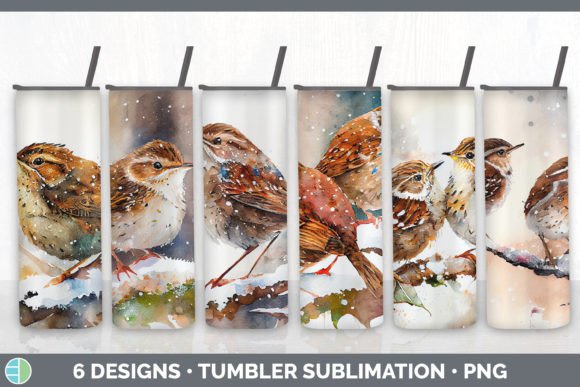
As a designer who spends more time staring at stitch maps than most people spend on their phones, I approach every new machine embroidery design with a healthy dose of skepticism. We've all been there: you download a file that looks stunning in the preview, only to find out it's a tangled mess of underlay or impossible to stitch on anything other than perfect canvas. So, when I pulled up the Christmas Wren Tumbler Sublimation Bundl, my first instinct wasn't to rush to the hoop, but to analyze its potential as a physical embroidery project. Despite the "sublimation" label in the title, which usually implies heat transfer for tumblers, the core asset here is an Illustrations-style graphic that begs to be translated into thread.
First Impressions: Mood and Visual Personality
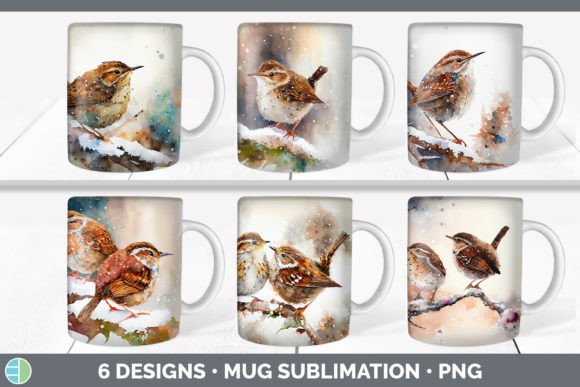
The immediate vibe of this design is cozy, rustic, and undeniably festive without screaming "commercial holiday overload." The wren motif is classic, often symbolizing good luck and the turning of the year, which gives the piece a timeless quality. Visually, the layout feels balanced, with a natural flow that suggests it was drawn with movement in mind. For us embroiderers, this is crucial. A static image often translates into a stiff, blocky finished product, but a design with organic lines invites varied stitch types.
I can easily imagine this working beautifully as a satin stitch outline for the bird's silhouette, paired with softer fill stitch work for the surrounding botanical elements like holly or winter berries. The level of detail appears moderate; it's not so intricate that it will vanish on a textured towel, nor so simple that it looks amateurish on a high-end boutique item. It strikes that sweet spot where the thread colors can really shine, allowing for subtle shading that adds depth to the handmade product.
Real-World Application: From Digital File to Physical Goods
Let's talk about where this design actually lives. While the original intent might have been for sublimation on metal, I see immense value in adapting this for custom apparel and home goods. Picture a heavy-weight cotton tote bag in a natural oatmeal color. Stitching the wren in deep forest greens and burnt oranges would create a stunning contrast, perfect for a small shop product aiming for an earthy, artisanal aesthetic.
I recently simulated a project using similar assets for a client's holiday collection. We applied the concept to a sweatshirt embroidery run. The result was a left-chest logo that felt personal and exclusive. Because the design relies on strong illustrative shapes rather than tiny, fragile details, it holds up well on fleece and French terry. It also translates exceptionally well to holiday embroidery on kitchen linens. Imagine a set of tea towels where the wren is stitched in red and green against white fabric; it's a classic personalized gift that never goes out of style.
For the Etsy seller or creative entrepreneur, versatility is key. This design could easily be scaled down for a baby embroidery project on a onesie bib, provided the simplification is handled correctly. Alternatively, it could be enlarged and digitized as an applique design for a statement pillow cover, using felt or wool backing to enhance that rustic winter feel. The visual appeal directly impacts customer trust; a clean, well-executed design tells the buyer that care went into the creation, boosting the perceived value of your craft business items.
Technical Considerations and Fabric Challenges
However, enthusiasm must be tempered with technical reality. Before you commit this digital embroidery file to production, there are several factors to consider. First, assess the stitch density. If you are adapting this from a print-ready illustration, you cannot simply auto-digitize it. High-density areas can cause puckering, especially on stretchy fabrics like jersey knits or thin poly-blends. You must ensure there is adequate pull compensation and appropriate underlay to stabilize the design.
Where should you use caution? Any project involving small hoop sizes requires a careful eye. If the wren's eye or the tips of the holly leaves are too close together, they may merge into a single blob of thread once stitched. On textured fabrics like looped towels or corduroy, fine running stitch details might get lost. In these cases, increasing the stitch length or switching to a column stitch might be necessary to maintain clarity.
Dark fabrics present another challenge. If you plan to stitch this on a navy or black custom apparel piece, you need to verify if the design includes a solid underlay or background fill. Without it, the base fabric will show through the gaps in the stitching, ruining the crispness of the illustration. Similarly, curved surfaces like caps require a design that isn't too wide or dense on the edges, as the curvature can distort the image. Always test on a scrap piece of the actual fabric you intend to use. This is non-negotiable for maintaining brand consistency and professionalism.
Maximizing Value and Buyer Engagement
The true power of the Christmas Wren Tumbler Sublimation Bundl lies in its adaptability. When used correctly, it enhances the giftability of your items. A customer is far more likely to engage with a product that features unique, cohesive artwork rather than generic clipart. By treating this illustration as a premium design asset, you elevate your entire catalog.
For those creating printable mockup files to sell alongside physical goods, this design offers excellent potential. You can showcase how the embroidery would look on various textures, helping buyers visualize the final result. This transparency builds recognition and loyalty. However, remember that the finished product is only as good as the execution. Poor tension, skipped stitches, or inappropriate stabilizer choices can undermine even the best design.
Practical Notes for the Professional Maker
Before you start stitching for clients or listing items in your small shop product lineup, keep these practical steps in mind:
- Test First: Always stitch a sample on scrap fabric identical to your final material to check for registration issues.
- Check Contrast: Ensure your chosen thread colors provide enough contrast against the fabric, especially for detailed areas.
- Review Density: Look for overly dense areas that might cause stiffness or fabric distortion.
- Confirm Hoop Size: Verify that the design fits within your available hoop dimensions without needing excessive re-hooping.
- Inspect Details: Zoom in on tiny elements like beaks or leaf tips to ensure they are stitchable at your intended size.
- Mockup Testing: Create black and white mockups to see if the design holds its shape without relying on color.
- Stabilizer Selection: Choose the right stabilizer (cut-away for knits, tear-away for wovens) to support the specific weight of the design.
- Licensing Check: Since this is labeled as a bundle potentially intended for sublimation, strictly confirm the licensing terms before using it for commercial embroidery or selling it as a digital file. Do not assume sublimation rights extend to embroidery resale.
In conclusion, while the Christmas Wren Tumbler Sublimation Bundl originates in a different medium, its artistic merit makes it a strong candidate for adaptation into the world of thread. With careful digitization adjustments and a respect for fabric limitations, it can become a standout feature in your holiday collection, bridging the gap between digital artistry and tactile craftsmanship.