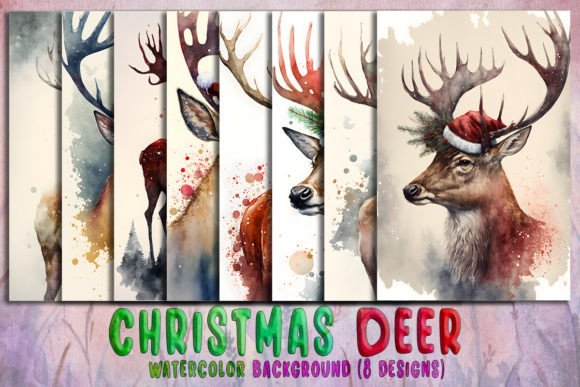
Christmas Deer Watercolor Background: A Designer's Review
As someone who spends more time staring at digitized files than most people care to admit, I approach every new machine embroidery design with a mix of excitement and skepticism. We have all been there: you buy a beautiful graphic, load it onto your machine, and realize too late that the stitch density is a nightmare or the details vanish on textured fabric. Today, I am taking a close look at the Christmas Deer Watercolor Background. This isn't just a quick glance at a thumbnail; this is an evaluation of how this specific piece of art translates into thread for real-world projects.
The first thing that strikes me about this design is its mood. Unlike the rigid, vector-style graphics we often see in holiday collections, this piece leans heavily into the soft, fluid aesthetic of watercolor painting. For an embroidery project, this presents both a unique opportunity and a specific challenge. The visual personality is gentle and nostalgic, perfect for creating that "hand-painted" feel on fabric without actually using paint. However, translating watercolor bleeds and soft edges into satin stitch and fill stitch requires careful digitizing. If done poorly, it looks muddy. If done well, it looks like magic.
Visual Impact and Stitching Reality
When I imagine this design stitched out, my mind goes immediately to the interplay of thread colors. Watercolor effects rely on gradients and transparency. In embroidery, we achieve this through layering and stitch direction. A high-quality embroidery file of this nature should utilize varying angles in the fill stitches to mimic the flow of water. My concern, and my advice to you, is to check the stitch density before committing to a large run. Watercolor styles can sometimes be over-digitized with too many layers to create depth, resulting in a stiff, cardboard-like patch on your garment.
For a finished product to feel premium, the back of the embroidery matters just as much as the front. If you are planning to use this for custom apparel like a child's Christmas pajama set or a lightweight linen apron, excessive density will make the item uncomfortable to wear. I recommend requesting a test stitch-out or examining the file properties if your software allows. Look for smooth transitions between color blocks rather than harsh, distinct lines that break the watercolor illusion.
Ideal Applications for the Holiday Season
So, where does the Christmas Deer Watercolor Background truly shine? Based on its illustrative nature, it belongs on items that serve as canvas for art rather than high-abrasion workwear. Here is where I would deploy this design in a small shop setting:
- Tote Bag Design: A heavy cotton canvas tote is the perfect substrate. The stable fabric supports the detailed fills, and the artistic vibe matches the eco-friendly, handmade aesthetic customers love during the holidays.
- Sweatshirt Embroidery: Think oversized, fleece-lined crewnecks. The texture of the fleece can sometimes swallow fine details, but the bold shapes of a deer silhouette paired with the background should pop beautifully against the cozy fabric.
- Pillow Covers: Home decor is a massive category for Etsy sellers. This design would look stunning on a velvet or linen pillow cover, acting as a seasonal accent piece that doesn't scream "disposable decoration."
- Baby Embroidery: For nursery decor or a special holiday onesie, the soft edges of the watercolor style are far more appropriate than harsh, blocky outlines. It feels gentle and safe.
If you are an applique design enthusiast, you might even consider adapting this concept by using fabric paints or dyed fabrics underneath a simpler outline, though the digital file itself likely aims to do all the heavy lifting with thread.
Technical Considerations and Fabric Choices
Let's get practical about where this design might struggle. The "background" element in the title suggests there is coverage beyond just the deer. This means you are looking at a larger stitch count. Placing this on a curved surface like a cap could be problematic. Caps have limited hoop space and a curved profile that distorts wide designs. Unless the file comes in a specifically narrowed version for hats, I would skip the headwear category for this specific asset.
Furthermore, consider your fabric texture. While a towel might seem like a good idea for a kitchen gift, the looped texture of a tea towel can interfere with the subtle gradient effects of a watercolor style. The running stitch details might get lost in the terry cloth. Instead, opt for smooth wovens like cotton twill, poplin, or high-quality blends. If you must stitch on stretchy knits, your choice of stabilizer is critical. A cut-away stabilizer is non-negotiable here to prevent the design from puckering and distorting the delicate deer features over time.
Color contrast is another vital factor. Since this is a watercolor style, it likely uses mid-tones. Stitching this onto a black or navy garment might result in the design disappearing unless the digitizer has included a solid underlay or a defined border. Always test your printable mockup with different fabric colors before cutting your actual material.
Business Value and Customer Perception
From a business standpoint, using distinct Illustrations like this sets your craft business apart. Many competitors use the same free monogram fonts or clipart. Offering a product featuring the Christmas Deer Watercolor Background signals that you curate your design assets for quality and style. It elevates the perceived value of a simple personalized gift.
Customers today are savvy; they recognize when an embroidered item looks mass-produced versus when it looks like a piece of art. This design aids in brand consistency if your shop focuses on whimsical, nature-inspired, or soft-aesthetic goods. It builds trust because it shows attention to detail. However, remember that the commercial embroidery license is key. Before listing these items in your small shop product catalog, verify the terms. Can you sell the physical item? Can you sell the digital file? Never assume.
Final Verdict and Designer Notes
In conclusion, the Christmas Deer Watercolor Background is a strong contender for your holiday lineup, provided you respect its technical needs. It is not a "stitch and forget" file. It demands good fabric, proper stabilization, and an understanding of how thread interacts with light to create those watercolor effects.
Before you start stitching for clients, follow these steps:
- Test on scrap fabric: Use the exact material you intend to sell. Check for puckering and thread breaks.
- Review the stitch path: Ensure the jump stitches are minimized, especially in the background areas.
- Check the hoop size: Confirm the design fits your available hoops without needing a re-digitize.
- Inspect small details: Zoom in on the deer's antlers and eyes. Are they clear, or do they blend into a mess of thread?
- Confirm licensing: Ensure you are compliant for commercial use if selling finished products.
By treating this digital embroidery file with the care it deserves, you can create stunning holiday embroidery pieces that customers will cherish for years. It is a reminder that in our trade, the difference between a good product and a great one often lies in the preparation and the eye of the designer behind the machine.